When it comes to fixing up wooden furniture, trim, or flooring, the first step is often the hardest—where do you even begin? Wood repairs can feel intimidating, but once you know the order of operations, it all becomes manageable. Whether you’re dealing with scratches, cracks, or missing chunks, having a clear starting point ensures lasting and good-looking results.
- Assess the Damage
Before reaching for glue or filler, take a close look at the problem. Is the wood simply scratched, or is it cracked and splitting? Are pieces missing altogether? The type of damage will guide your repair strategy. Light scratches may need nothing more than a stain touch-up, while deep gouges or rot require more serious fixes. - Clean the Area
Repairs won’t hold on dirty or greasy surfaces. Wipe down the wood with a mild cleaner or denatured alcohol to remove oils, wax, or dust. For outdoor wood, make sure any mold or mildew is scrubbed away. A clean surface is the foundation of every successful repair. - Stabilize First
If the wood is loose, cracked, or splitting, stabilize it before cosmetic fixes. This might mean:
• Gluing and clamping a split joint.
• Reinforcing with wood adhesive or epoxy.
• Screwing in a hidden brace to hold structure.
Trying to fill or finish wood before stabilizing will just lead to more problems later. - Fill the Gaps
Once the structure is sound, it’s time to address cosmetic flaws. Small dents can sometimes be steamed out with a damp cloth and heat, while larger gouges need filler. Options include:
• Wood filler for shallow repairs.
• Wood putty for flexible fixes on trim and moldings.
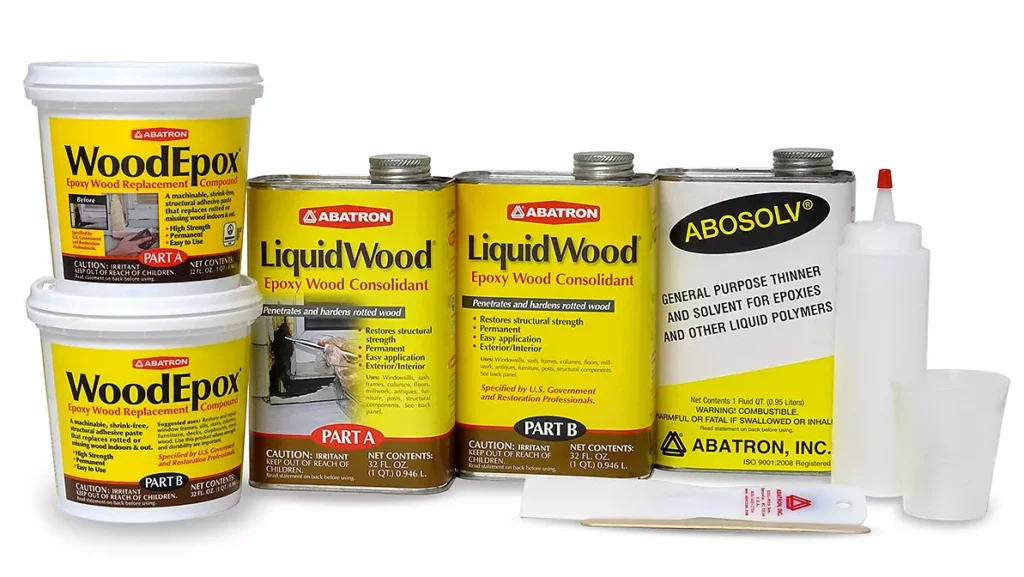
• Epoxy for structural patches or missing corners. - Sand Smooth
After repairs cure, sanding blends everything together. Start with medium-grit and finish with fine-grit sandpaper. The goal is a seamless transition between the original wood and the repaired area. - Match the Finish
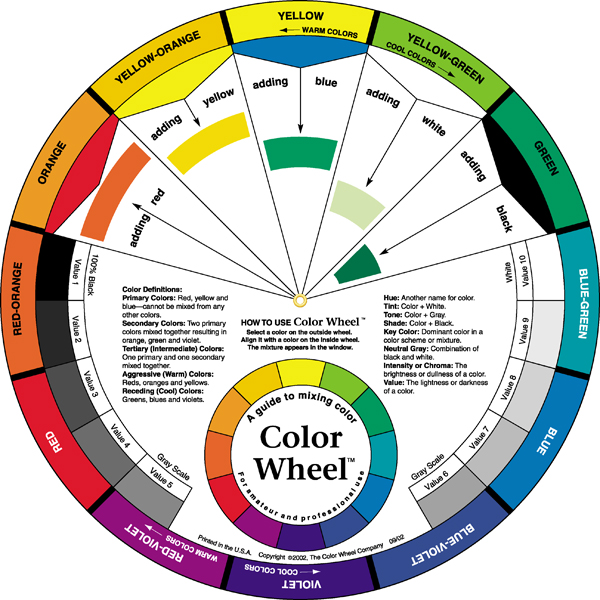
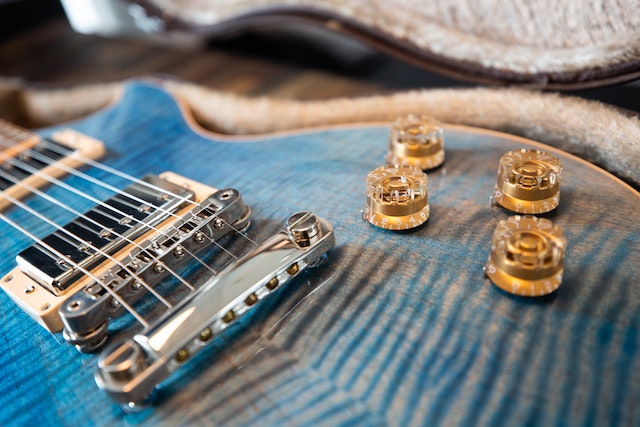
The final step is restoring color and protection. Depending on the piece, this might be:
• Stain and clear coat.
• Paint.
• Oil or wax finish.
Testing your finish on a hidden spot or scrap wood is always worth the extra minute—it saves frustration later.
Final Thoughts
Wood repairs don’t have to be overwhelming. By following a logical order—assess, clean, stabilize, fill, sand, and finish—you’ll set yourself up for success every time. Start small, and with each repair, your confidence will grow.