When it comes to woodworking or fixing furniture, a strong adhesive can be just as important as the right tools. Not all glues are created equal, and using the wrong one can lead to weak joints, failed repairs, or frustration down the road. We want our woodworking projects and furniture fixes to stand the test of time, so we only use the top wood adhesives in the industry.
-
- PVA Glue (Yellow Carpenter’s Glue)
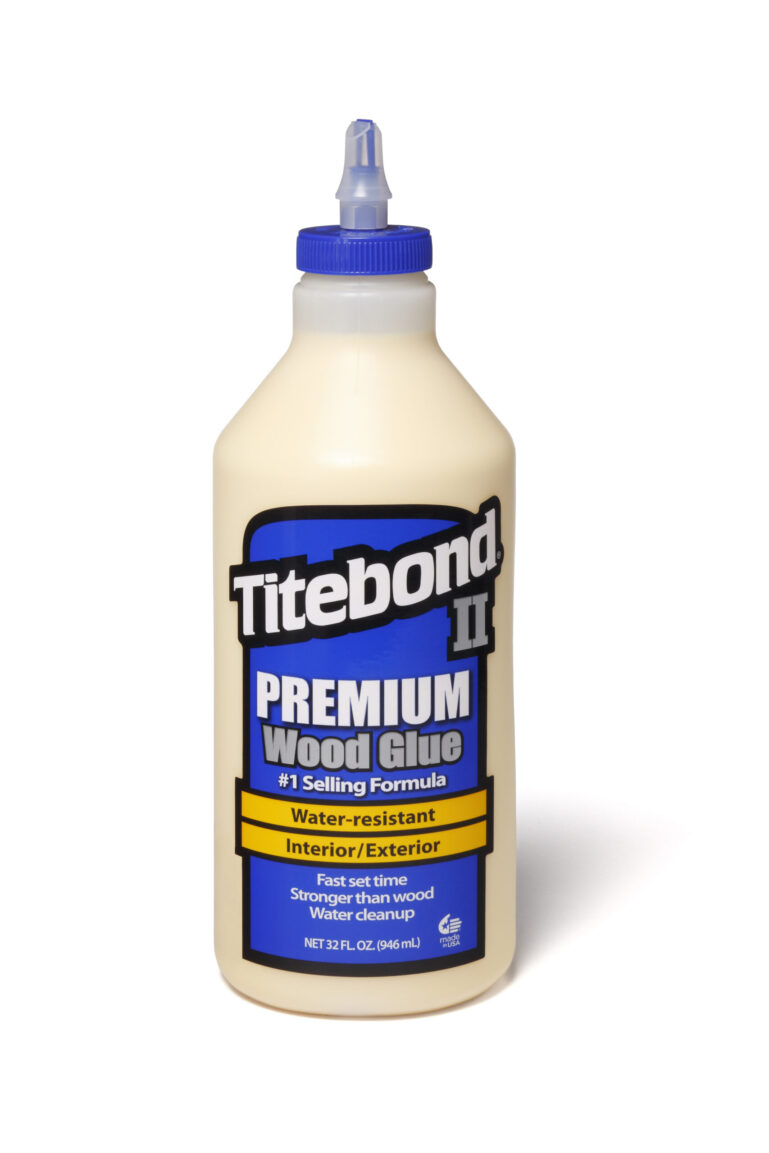
This is the most common wood glue we use, often labeled as “wood glue” or “carpenter’s glue.”
• Best for: General woodworking, furniture building, and repairs.
• Pros: Strong bond on clean wood-to-wood joints, easy to use, non-toxic, and cleans up with water.
• Cons: Many PVA glues are not water resistant So, for anywhere wood could encounter moisture we normally use adhesives labeled as exterior or “Type II/III.”
Tip: We normally clamp our work for at least 30 minutes, and ask you allow a full 24 hours for maximum strength.
- PVA Glue (Yellow Carpenter’s Glue)
-
- Polyurethane Glue (e.g., Gorilla Glue)
Polyurethane glue is known for expanding as it cures, which can help fill small gaps.
• Best for: Outdoor projects, mixed materials (wood, stone, metal).
• Pros: Waterproof, versatile, strong bond.
• Cons: Messy to work with (expands into foam), requires moisture to cure, and can stain skin.
Tip: We lightly dampen the surfaces before gluing to activate the curing process.
- Polyurethane Glue (e.g., Gorilla Glue)
-
- Epoxy
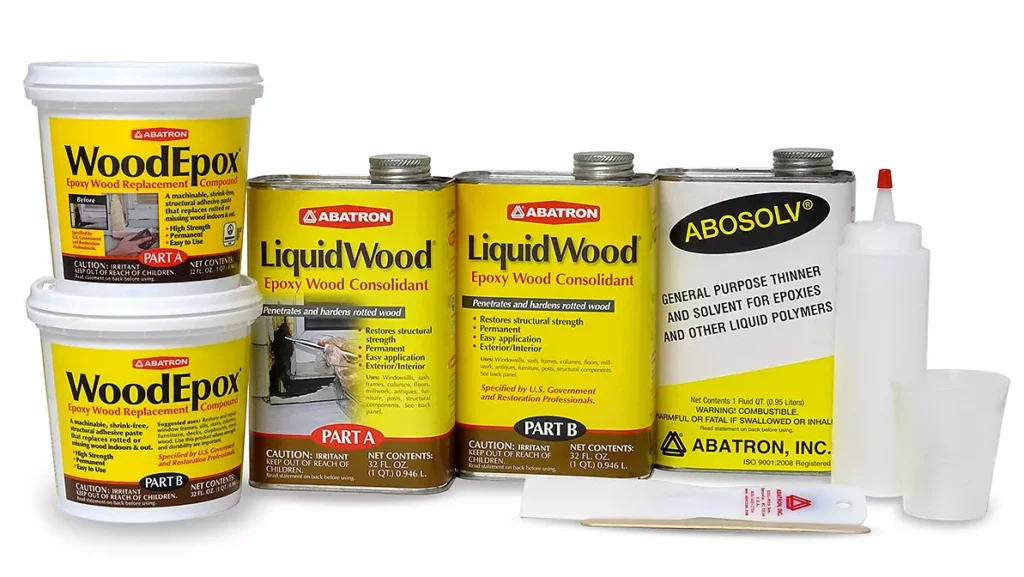
Epoxy comes in two parts (resin and hardener) that you mix before applying. It creates an extremely strong and durable bond.
• Best for: Structural repairs, filling gaps, and bonding wood to non-porous surfaces.
• Pros: Super strong, gap-filling, water- and heat-resistant.
• Cons: Mixing required, shorter working time, can be harder to sand once cured.
Tip: We choose a slow-set epoxy for more working time on complex repairs.
- Epoxy
-
- Hide Glue (Traditional and Liquid)
When we are working on antique restorations, we may use hide glue which has been used for centuries and maintains the originality.
• Best for antique restoration, projects requiring reversibility.
• Pros: Bonds well to wood, can be softened with heat or moisture for future repairs.
• Cons: Not waterproof, as modern adhesives typically can be.
Tip: Liquid hide glue is more convenient than traditional hot hide glue and still offers the same repair-friendly properties.
- Hide Glue (Traditional and Liquid)
-
-
CA Glue (Super Glue)
Cyanoacrylate (CA) glue isn’t just for quick household fixes—it can also be handy in woodworking.
• Best for: Small repairs, stabilizing cracks, attaching trim.
• Pros: Fast-setting, strong in small areas, available in thin to gel viscosities.
• Cons: Brittle on larger joints, not good for structural use.
Tip: Use with an accelerator spray for near-instant bonds on small fixes.
-
Choosing the Right Glue
• Indoor furniture projects: The commercial PVA glues we use are very durable and create bonds that are stronger than the wood itself/
• Outdoor work: We use polyurethane or epoxy.
• Antiques: We normally use hide glue that maintains the originality and repairability.
• Quick fixes: CA glue are our pick for small repairs and touch-ups.
Final Thoughts
The right adhesive can make or break your project. By matching the glue to the job, we ensure stronger joints, smoother repairs, and long lasting results. Whether we are building something new or fixing a beloved piece, we keep these top wood adhesives in our toolbox—you’ll be thankful later.